
Home › Services › Marble Polishing
Marble Polishing in Boca Raton, FL
Restore the shine to dull, scratched marble without replacing it.
Call (561) 468-6457 for a free estimate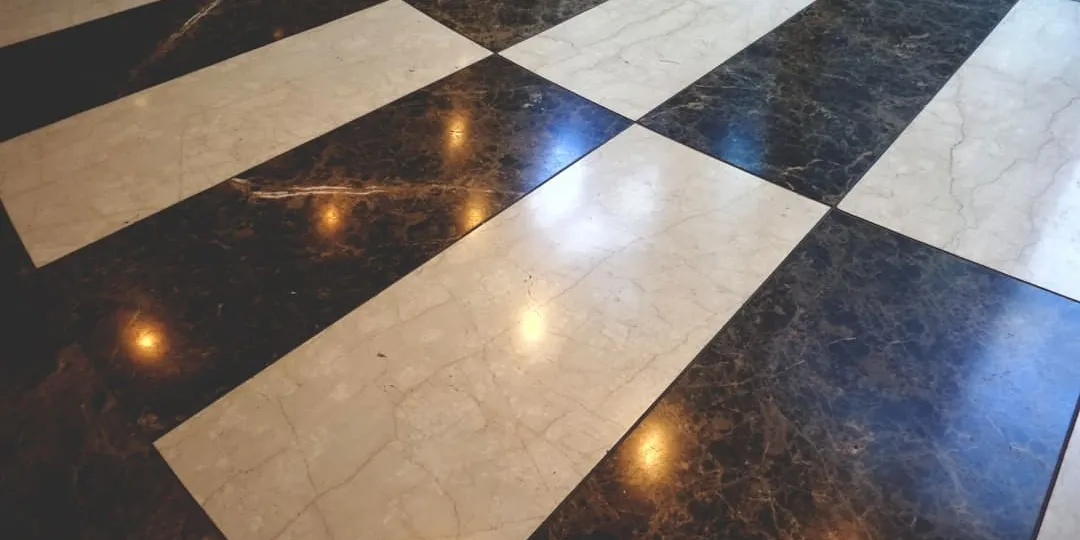
What This Service Involves
Marble polishing in Boca Raton, FL brings back the glossy finish on marble floors, countertops, vanities, and shower walls. Boca Stone Restoration uses diamond abrasives and polishing compounds to remove light scratches and etching, then polish the surface to the shine level you want. Polishing is lighter than full restoration — it's the right call when the marble is in decent shape but has lost its luster.
Marble polishing is the final step of restoration, but it can also be a standalone service when the stone doesn't need heavy grinding. We start by cleaning the surface thoroughly, then use a sequence of diamond-impregnated pads from medium to fine grit. Each pass removes the scratches from the previous grit and refines the surface further. The last step is a polishing compound — usually a tin oxide or aluminum oxide paste — buffed into the stone with a soft pad to create the mirror finish.
On floors, we use a weighted floor machine with diamond pads. On countertops and vanities, we use a hand polisher. The process is the same; only the equipment changes. A typical polishing job on a floor takes a few hours; a countertop is faster. We seal the stone afterward to protect the newly polished surface.
Polishing doesn't remove deep scratches or level uneven tiles. If your floor has lippage (tiles at different heights) or scratches you can catch with your fingernail, that needs grinding first — which is full restoration, not just polishing. Polishing is for marble that's structurally sound but cosmetically dull.
When You Need Marble Polishing
If your marble once had a shine and now looks cloudy or matte, polishing is usually the answer. The dullness comes from microscopic etching — thousands of tiny dull spots from acidic contact over time. A glass of wine, a squeeze of lemon, hard water from the shower — each one etches a small area, and together they create a haze that dulls the whole surface.
Light scratches are another sign. If you can see fine lines in the surface when light hits it at an angle, but you can't feel them with your nail, polishing will remove them. Deeper scratches need honing first.
Before events or listing a home is a common time to polish. A polished marble floor or countertop photographs better, feels cleaner, and signals that the property has been maintained. If you're selling or showing the property, polishing is a cost-effective way to make the stone look new without the expense of replacement.
Why Problems Happen
Marble loses its shine through a combination of acid contact and physical wear. Every time something acidic touches the surface — wine, citrus, vinegar, coffee, even some cleaning products — it dissolves a microscopic layer of calcium carbonate. The result is a dull spot. Over months and years, these spots accumulate until the whole surface looks hazy.
Foot traffic adds physical wear. Sand and grit on shoes are harder than marble, so they scratch the surface with every step. The scratches are too small to see individually, but together they scatter light instead of reflecting it, which reads as dullness. A marble floor in a busy entryway will lose its shine faster than one in a rarely used formal dining room.
The wrong cleaning products accelerate the process. Anything acidic — vinegar, lemon-based cleaners, toilet bowl cleaner — will etch marble on contact. Anything abrasive — scrubbing pads, powdered cleansers — will scratch it. The safe cleaners are pH-neutral and non-abrasive, but most people don't know the difference until the damage is done.
What Affects Cost
The size of the area is the primary factor. Polishing a small countertop is a quick job; polishing a 800-square-foot marble floor takes a full day. The per-square-foot cost decreases as the area increases because the setup time is the same regardless of size.
The current condition matters. Marble that's been polished recently and just needs a refresh is faster and cheaper. Marble that's been neglected for years may need a light honing pass before polishing, which adds time. If there are stains that need poultice treatment, that's a separate process on top of the polishing.
The finish level you want affects the price. A satin finish (low shine) takes fewer polishing passes. A high-gloss mirror finish takes more passes with finer grits and a final compound buff. Most people choose high-gloss for countertops and a medium-to-high gloss for floors, but it's personal preference.
Polishing vs. Full Restoration
Polishing is the lighter service. It removes light scratches and etching and brings back the shine. Full restoration includes grinding (to level uneven tiles and remove deep damage), honing (to smooth the surface), and then polishing. If your marble is flat and the damage is mostly surface-level, polishing is enough. If tiles are uneven, scratches are deep, or the stone has structural issues, you need restoration.
The cost difference is significant. Polishing is a fraction of what full restoration costs because it skips the grinding stage. We'll tell you honestly which one you need after seeing the stone — we don't upsell restoration to someone who only needs polishing.
Frequently Asked Questions
What's the Difference Between Polishing and Restoration?
Polishing is the final step of restoration — it's the process that creates the shine. But polishing alone skips grinding and honing. Restoration includes all three: grinding to level and remove deep damage, honing to smooth, and polishing to shine. If your marble is flat and only has surface dullness, polishing is enough. If tiles are uneven or scratches are deep, you need the full process.
Can Scratches Be Polished Out?
Light scratches — the ones you can see but not feel — polish out completely. Medium scratches that you can feel with a fingernail but not catch the edge of need honing first, then polishing. Deep scratches that catch your nail need grinding. Polishing alone won't fix a deep scratch; it'll make the surrounding area shiny but leave the scratch visible.
Will It Look Like New?
If the marble is in good structural condition — no deep scratches, no lippage, no cracks — polishing brings it back to a like-new shine. The stone looks as good as the day it was installed. If there's deeper damage, we'll tell you before we start that polishing won't fully resolve it, and restoration is the better call.
How Do I Maintain Marble After Polishing?
Use a pH-neutral stone cleaner — not dish soap, not vinegar, not all-purpose spray. Dust-mop floors daily to remove grit that scratches the surface. Wipe spills immediately, especially acidic ones (wine, citrus, coffee). Re-seal every 1 to 2 years depending on traffic. Put felt pads under furniture legs. Use a cutting board on countertops — never cut directly on marble. These habits extend the time between polishings significantly.
Service areas
We provide marble polishing to homeowners and businesses in Boca Raton and the surrounding South Florida communities — including Delray Beach, Deerfield Beach, Pompano Beach, West Palm Beach, Fort Lauderdale, and Boynton Beach. Based in Boca Raton, we offer short response times across the region and the same free estimate regardless of where you're located. Not sure if you're in our range? Call us — we cover most of South Florida.